We provide uninterrupted Renewable Energy
We provide uninterrupted Renewable Energy
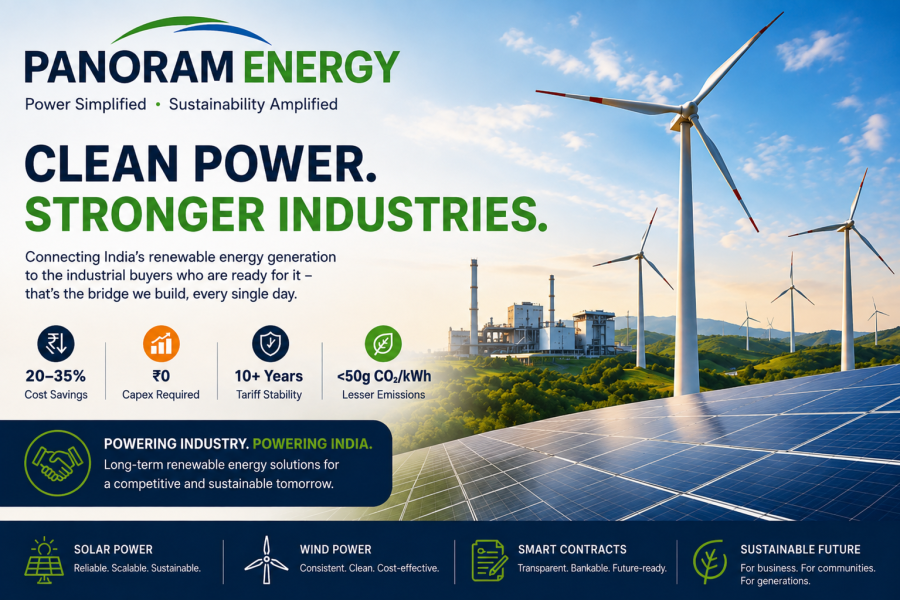
India’s industrial sector is entering a new era where energy procurement is no longer limited to conventional grid electricity. Rising electricity tariffs, increasing environmental regulations, and the need for predictable operating costs are driving industries toward renewable energy solutions.
Solar and wind energy have become reliable, scalable, and economically attractive alternatives for high-tension (HT) industrial consumers. Through Open Access and Group Captive models, businesses can procure clean electricity directly from renewable energy developers without investing in expensive power plants.
Unlike traditional electricity, renewable energy contracts offer long-term tariff certainty, helping manufacturers avoid annual tariff hikes and reduce overall production costs.
Industries such as textiles, engineering, automotive, chemicals, food processing, pharmaceuticals, and IT data centres are rapidly adopting renewable energy to improve competitiveness while achieving sustainability targets.
The transition is no longer just about environmental responsibility—it has become a strategic financial decision that strengthens long-term business performance.
Electricity is often one of the largest operational expenses for manufacturing businesses. As energy prices continue to rise, companies are looking for smarter ways to secure reliable and affordable power.
Solar energy provides an effective solution through Third-Party Power Purchase Agreements (PPAs). Under this model, the renewable energy developer designs, finances, builds, owns, and operates the solar power plant.
The industrial consumer simply purchases electricity at an agreed tariff, eliminating the need for capital expenditure, maintenance responsibilities, or operational risks.
Key benefits include:
With contract periods extending from 10 to 25 years, businesses gain predictable electricity costs that support better financial planning.
While solar power generates electricity during daylight hours, wind energy complements industrial operations by producing power during evenings, nights, and seasonal wind periods.
Tamil Nadu has long been India’s leading wind energy state due to its favourable wind resources and established transmission infrastructure.
Industrial consumers can access wind power through Open Access or Group Captive arrangements, allowing them to source clean electricity directly from certified wind farms.
Wind energy offers several advantages:
Many businesses also choose hybrid solar-wind solutions that provide a more balanced renewable energy profile throughout the year.
Open Access is transforming how industries purchase electricity.
Instead of buying power exclusively from the local electricity distribution company, eligible high-tension consumers can procure electricity directly from renewable energy generators using the existing transmission network.
This enables industries to benefit from:
The electricity still flows through the state grid, while contractual arrangements determine the power source and pricing.
Open Access is particularly beneficial for businesses with continuous electricity demand and large energy consumption.
Group Captive projects allow multiple industrial consumers to jointly invest in a renewable energy plant.
Each participating company owns a minimum equity share while consuming electricity generated by the facility.
This model provides significant cost advantages compared to conventional electricity procurement.
Major benefits include:
Group Captive is particularly suitable for industries with sustained energy demand above several megawatts.
Selecting the right renewable energy source depends on your business operations, energy consumption profile, and geographical location.
| Solar Energy | Wind Energy |
|---|---|
| Daytime generation | Day and night generation |
| Lower maintenance | High annual generation |
| Predictable output | Seasonal variation |
| Excellent for daytime operations | Suitable for continuous industrial loads |
| Rapid installation | Ideal in windy regions |
Many industrial businesses achieve the greatest savings by combining both technologies into hybrid renewable energy portfolios.
Environmental, Social, and Governance (ESG) performance has become a key consideration for investors, customers, and global supply chains.
Renewable energy procurement directly contributes to ESG performance by reducing greenhouse gas emissions and supporting responsible business operations.
Key ESG advantages include:
Renewable energy adoption demonstrates measurable environmental leadership while delivering financial benefits.
Electricity price volatility creates uncertainty for manufacturers.
Long-term Power Purchase Agreements (PPAs) help businesses lock in electricity prices for extended periods, providing predictable operational costs.
Benefits of PPAs include:
Long-term agreements allow businesses to focus on production rather than fluctuating energy costs.